As you may or may not know, our society is shifting from a historical omnivore diet to a vegetarian one. For those who are not familiar with those terms, it means that our diet is turning away from real meat and looking to meat alternatives to receive equal levels of satisfaction. In fact, within the past two years, meat alternative sales have reached billions, something that has never happened before. According to PBFA (Plant-Based Food Association), sales in 2019 are a record high, and 2020 sales are predicted to exceed even this record. The real question that I would like to answer in this blog is,
“Is this a simple trend or FAD, or are these meat alternatives here to stay for good?”
According to multiple sources, I have created a list as to why people are resorting to only plant-based meats now and in the future:
- People are genuinely realizing how their eating and purchasing habits can affect the environment.
- The protection of animals and their precious ecosystem.
- Preserving the environment at all costs.
- General health concerns that are unique to each individual.
- Taste preferences that are evolving.
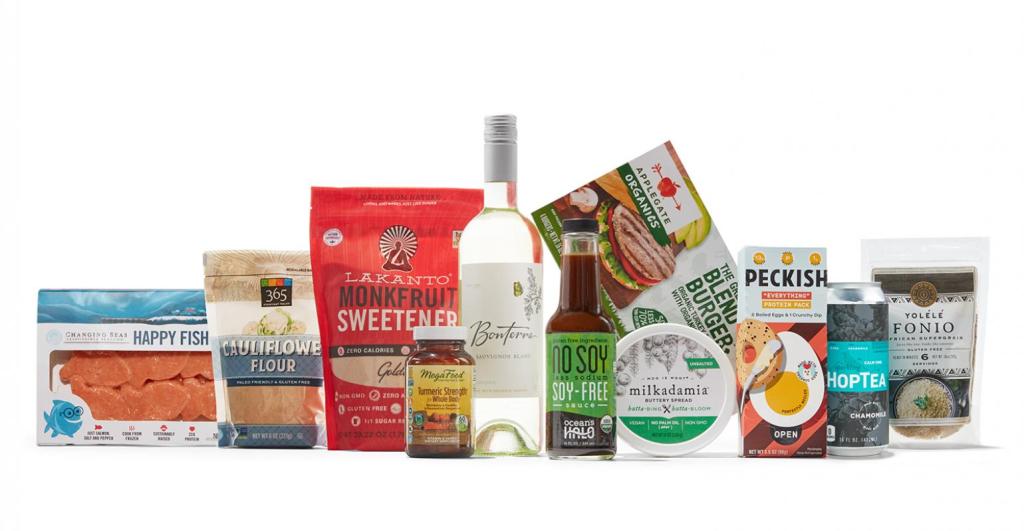
The Meat Alternatives market is expanding at an exponential rate. So fast that some of these companies cannot keep up, in North America or the world. People are even reaching beyond the “normal” alternative products such as soy and wheat protein. Manufacturers are predicting even larger sales even by the year 2022. Therefore, they are planning and looking at options that will provide a functional and sustainable plant-based protein that includes non-GMO and some organic options. Generally speaking, this market has some desirable traits. People are becoming more and more aware of the benefits of a plant-based diet, and science is developing at such a rate that they can create plant-based products that will give consumers equal satisfaction compared to meat. Therefore, the most significant change between the early 1900s meat alternatives and now is that science has allowed producers to modify the plant-based proteins to create a product that tastes, smells, and looks like their meat competitor. Back then, the meat alternatives included tofu, tempeh, seitan, veggie burgers, etc. Over the past century, more and more products were launched to try and produce more options. These alternative meat options included plant-based sausages, crumbles, chicken nuggets, and more. This decade is full of “flexitarians.” This term refers to people who are physically searching for more meat alternatives to reduce their actual meat consumption in their daily diet. Therefore, plant-based producers realized the gap in the market that they have yet to capitalize on. They decided to try and create products that one would have to actively compare between the plant-based and the real meat to find any differences. Therefore, plant-based producers began creating foods such as beef, chicken, etc. in plant-based form. Specifically, within North America, plant-based sales have grown by a staggering 37% within the past two years, more than any other food market in the industry!
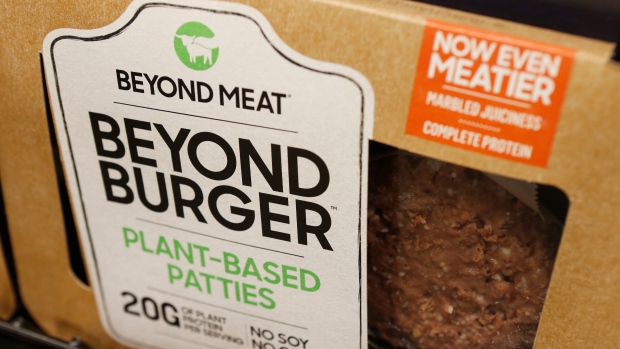
To answer the original question, I do believe that this meat-alternative market is here, and it is here to stay! When looking at the most recent and developmental data over the years, as well as the technological and financial potential for the future, I believe that this specific market segment will continue to grow at an exponential rate. This market is just beginning in terms of products available and the number of customers. Throughout the next couple of years, more and more people will start to rethink their life choices for two main reasons, their health or the health of their environment. Once they hit this rethink stage, they will turn to plant-based products to reach their daily protein consumption. I believe that over the next ten years, our society will shift to a predominant plant-based protein diet. Technology and financial resources will also allow these meat-alternative producers to develop, grow, improve, and create newer and higher-quality products. They can experiment with entirely new products, formats, flavors, and textures. The similarities between the meat alternative products and meat will become almost identical. Consumers will continue to crave alternative meat products that taste and look similar to the real meat. With more resources, time, and money, that is a goal that is easily attainable for the meat alternative industry. Finally, more and more consumers are looking at the nutrition facts table; however, the majority of them have no real idea what they are looking at and what they are looking for. Nowadays, they are looking for easy to read and recognizable products on the ingredient list and simple logos from trusted third-party certifications. These can include non-GMO, Gluten Free, Nut Free, Vegan, and Kosher. This can often put less educated shoppers at ease, knowing that someone with more knowledge and power still approves this and recommends it.
With all this relatively new information in mind, as a woman and athlete, I have a suggestion for meat alternative companies. Women are responsible for about 80% of all purchasing decisions, mainly including grocery shopping. The majority of the plant-based meat companies have a leadership team either with limited or no presence at all of women. The potential of these products is endless; however, they need to work to meet the demands of the consumers. Therefore, by taking more female advice under consideration, they are more likely to meet the requirements that consumers need before purchasing the product.
Works Cited
Beyond Meat – The Future of Protein™. (n.d.). Retrieved from https://www.beyondmeat.com/.
Cheng, A. (2019, June 30). Beyond Meat, Other Plant-Based Alternatives Still Have Long Growth Runway. Retrieved from https://www.forbes.com/sites/andriacheng/2019/06/30/plant-based-meat-alternatives-still-have–long-growth-runway/.
Piper, K. (2019, August 30). The rise of meatless meat, explained. Retrieved from https://www.vox.com/2019/5/28/18626859/meatless-meat-explained-vegan-impossible-burger.
Plant-Based Proteins. (n.d.). Retrieved from https://www.unileverfoodsolutions.us/chef-inspiration/wholesome-eating/meat-alternatives.html.
Uptin. (2019, June 18). Meatless alternatives are on the rise – but so is global meat consumption. Retrieved from https://www.cnbc.com/2019/06/18/meatless-alternatives-are-on-the-rise-so-is-global-meat-consumption.html.
 Hayley's Blog