The Mediterranean Diet is a popular diet that is being nominated for two years in a row as the top-ranked diet for both health benefits and for its ability to be followed quickly. This diet highlights foods such as fish, fruits, vegetables, beans, high-fiber breads, whole grains, nuts, and olive oil. When following this diet, one should avoid foods such as meat, cheese, and sweets. Generally speaking, the foods that fit with this diet are full of monounsaturated fats, fiber, and omega-3 fatty acids.
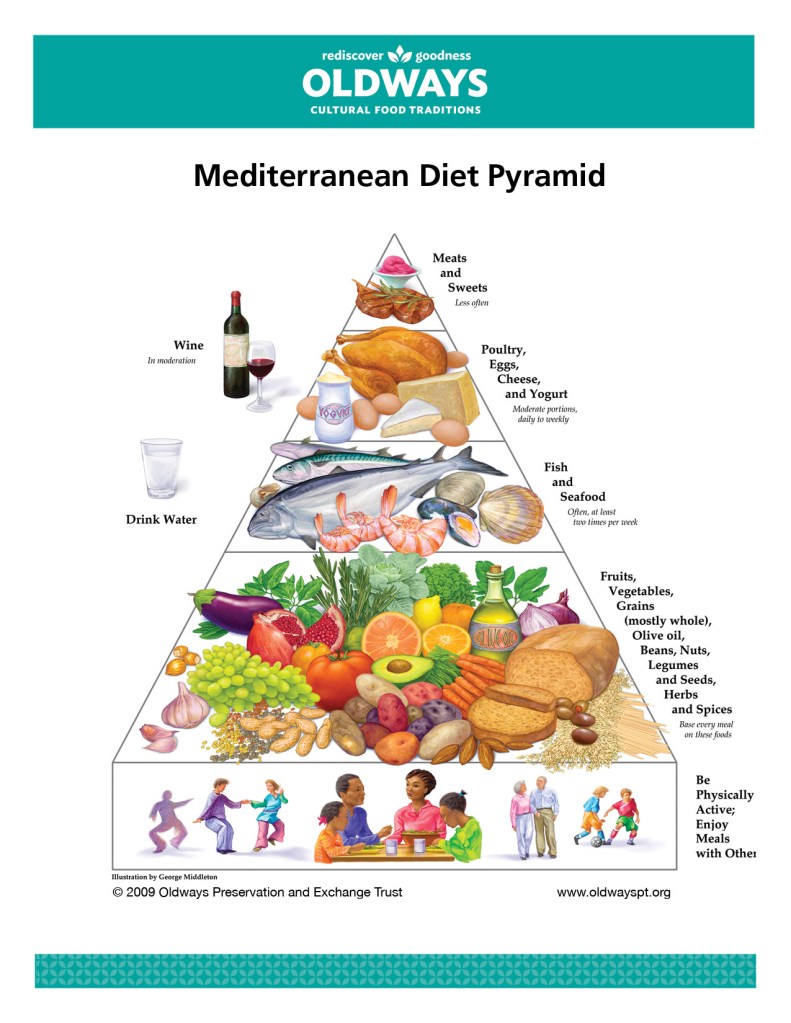
People attempting to follow this diet are recreating and following the foods that Italy and Greece citizens ate in the 1960s. Studies have proved that these people back in the day were insanely and abnormally healthy in comparison to Americans. The local Italians and Greek citizens ranked unusually low in many chronic and debilitating lifestyle diseases. Plenty of studies that have been conducted on this Mediterranean diet prove that heart attacks, strokes, type 2 diabetes, and premature deaths can all be prevented or limited with this diet.
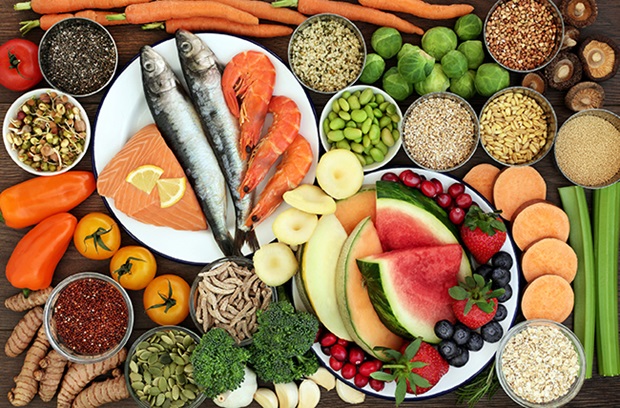
Another important/cool fact about this diet, there is no “right” way to follow this diet, as Mediterranean cultures and cuisines vary from country to country. The diet is only a suggestion to eat in the most traditional way possible. An excellent guide to follow to maintain this diet is to split up your eating into four different parts (Eat, Eat in Moderation, Eat only Rarely, and Don’t Eat). When following this diet, vegetables, fruits, nuts, seeds, legumes, potatoes, whole grains, breads, herbs, spices, fish, seafood, and olive oil are foods that should be eaten. Poultry, eggs, cheese, and yogurt are products that can still be eaten, just in moderation. Red meat is a food product that should only be eaten very rarely. Finally, under no circumstances should sugar-sweetened beverages, added sugars, processed meat, refined grains, refined oils, etc. should be consumed.
Foods to Avoid at all Costs:
- Added sugar – foods that fall under this category include soda, candies, ice cream, table sugar, etc.
- Refined Grains – foods that fall under this category include white bread, pasta made with modified wheat, etc.
- Trans Fats – This form of fat is often found in margarine, etc.
- Refined Oils – Highly processed oils including soybean oil, canola oil, cottonseed oil, etc.
- Processed meat – Processed deli meats, hot dogs, etc.
When following this diet, it is essential to understand that there are no set in stone meal plans. Generally speaking, this diet is mostly composed of healthy and nutritious plant foods and low amounts of animal foods. That being said, fish and seafood are recommended on this diet. One should aim to consume fish/seafood at least twice a week. However, this diet does not only emphasize healthy and consistent foods, as physical activity is another crucial aspect of this diet. This meal plan also emphasizes how mealtimes should contain a social component as well.
Liquid is vital to the success of this diet. Water should be an absolute go-to on this diet. However, unlike other strict and rigorous diets, one can consume moderate amounts of red wine — basically, a maximum of 1 glass per day. Furthermore, coffee and tea can also be completely acceptable to be consumed daily. However, artificially sweetened and fruit juices should be avoided at all costs due to the unnecessarily high amounts of refined sugar.
I found this diet extremely interesting because I believe that it is the perfect mixture of both leading a healthy lifestyle and maintaining physical and social activities, while still allowing some fluctuation and “cheating” to occur in moderate portions. I decided to mimic this meal plan and create a salad that fits in with this diet perfectly. I decided to create my own unique “Greek Salad” that can be enjoyed as a side in a delicious Mediterranean meal.
Ingredients:
- 1 Cucumber, chopped
- 1 Red Bell Pepper, large-diced
- 1 pint cherry tomatoes, halved
- 1/2 Red onion
- 1/2 pound feta cheese
- 1/2 cup olives
Dressing:
- Minced garlic
- Dried Oregano (1 tsp)
- 1/2 tsp Dijon Mustard
- 1/4 cup Red Wine Vinegar
- 1 tsp salt
- 1/2 tsp ground pepper
- 1/2 cup olive oil.
Please watch the following video to see my very own Greek Salad Creation!
Throughout my research, I have come across some useful tips that will aid anyone when starting or maintaining their healthy and nutritious meal plan. First and foremost, beverages are vital to the success of any meal. Unlike other meal plans, water is 100% the most preferred beverage. The only other beverage that should be consumed is moderate portions of wine. Ensuring one is continuously hydrated and treating oneself every once and a while will help in maintaining one’s pursuit of excellence. Next, olive oil is a significant component of healthy fats that should be consumed. Olive oil will only be useful when consuming a minimum of two tablespoons a day. Olive oil is used for flavor and pleasure, especially when only consuming a meal with limited amounts of flavors (vegetables). Also, large meals should be consumed as early as physically possible. This entails eating breakfast earlier than average, which will lead to the rest of the meals being consumed at consistently earlier times. Also, when following the Mediterranean diet and struggling to understand portion and meal servings, one can check the Greek Nutrition Guidelines to ensure that their unique requirements are being met. They have created guidelines that are modified and adapted to meet one’s gender, activity level, age, etc.
In conclusion, I believe that this diet focuses on all four definitions of diets. This diet does not only focus on weightless, it focuses on a healthy and sustainable lifestyle that will have a positive impact on anyone’s life. This is why I approve of this diet and I might start following it at a later point in my life.
Works Cited
Gunnars, K. (2018, July 24). Mediterranean Diet 101: A Meal Plan and Beginner’s Guide. Retrieved from https://www.healthline.com/nutrition/mediterranean-diet-meal-plan.
Johnson, J. (2019, January 18). Mediterranean diet: A guide and 7-day meal plan. Retrieved from https://www.medicalnewstoday.com/articles/324221.php.
Mediterranean Diet. (n.d.). Retrieved from https://www.healthlinkbc.ca/health-topics/aa98646.
Mediterranean diet for heart health. (2019, June 21). Retrieved from https://www.mayoclinic.org/healthy-lifestyle/nutrition-and-healthy-eating/in-depth/mediterranean-diet/art-20047801.
 Hayley's Blog