Once upon a time, sous-vide machines were limited to the people who considered themselves experts. Nowadays, it is a cooking technique that everyone can take part in and utilize in their very own home. Quality restaurants have been using this cooking technique for many years as it allows them to cook their dishes to their ideal levels of cookedness, without any hesitation. In recent years, this cooking technique has shifted into the realm of home cooking via many new kitchen stores selling affordable and relatively usable sous-vide machine equipment to take home cooking to the next level.
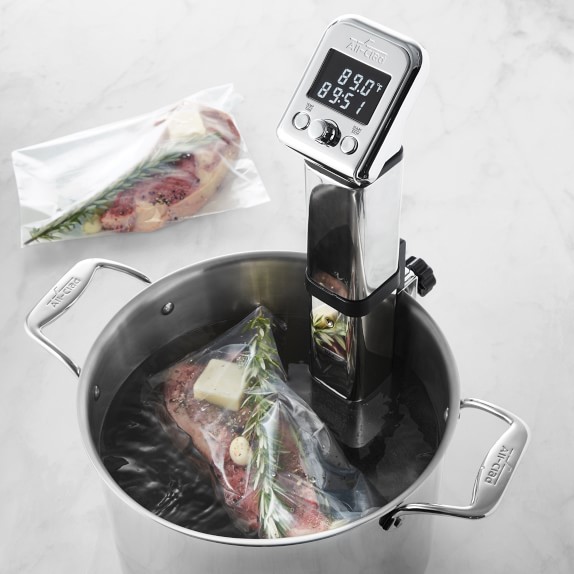
This cooking technique originates from France. The very definition of sous-vide is within the name. Sous Vide directly translates to “under vacuum” in English. The sous-vide cooking process refers to sealing a food object in an air-tight bag and then placing it in a water bath. One can adjust the exact temperature of the water using the machine. This allows the food to cook to the ideal levels that the chef can pre-set. A key benefit of using this technique is that it can guarantee exact results, unlike any other cooking method.
Steps of Sous-Vide
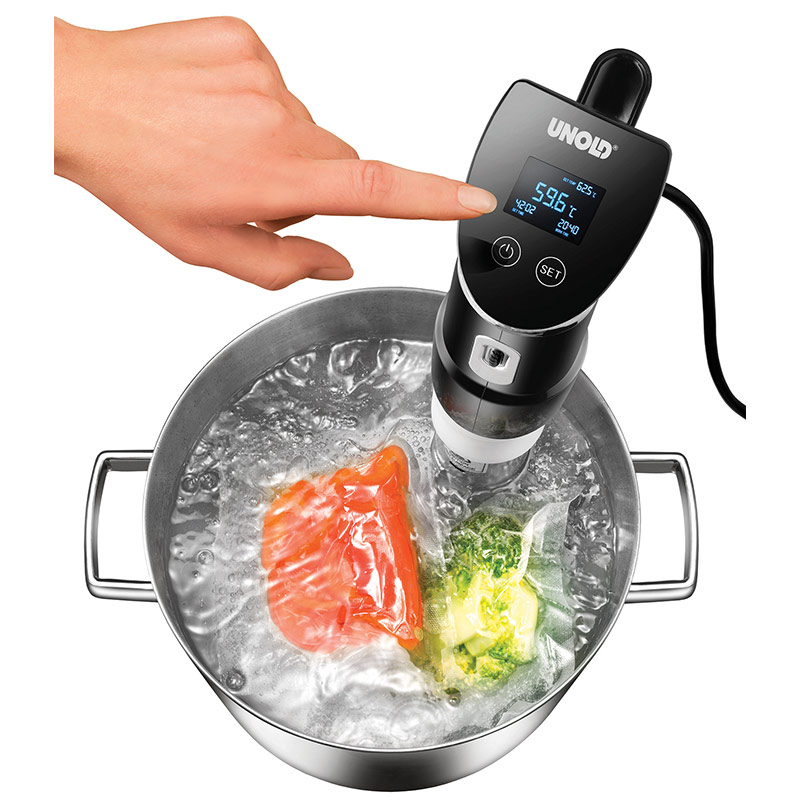
- The chef will stick the precision cooker machine to the water pot. The chef can that adjust the settings of the time and temperature desired to allow the food to cook the right way.
- Place the food object in an air-tight, resealable bag and attach to the side of the waterbath.
- This whole process can be finished by using other cooking methods (searing, grilling, or broiling) to get the ideal crispy and golden exterior.
Sous-Vide Advantages:
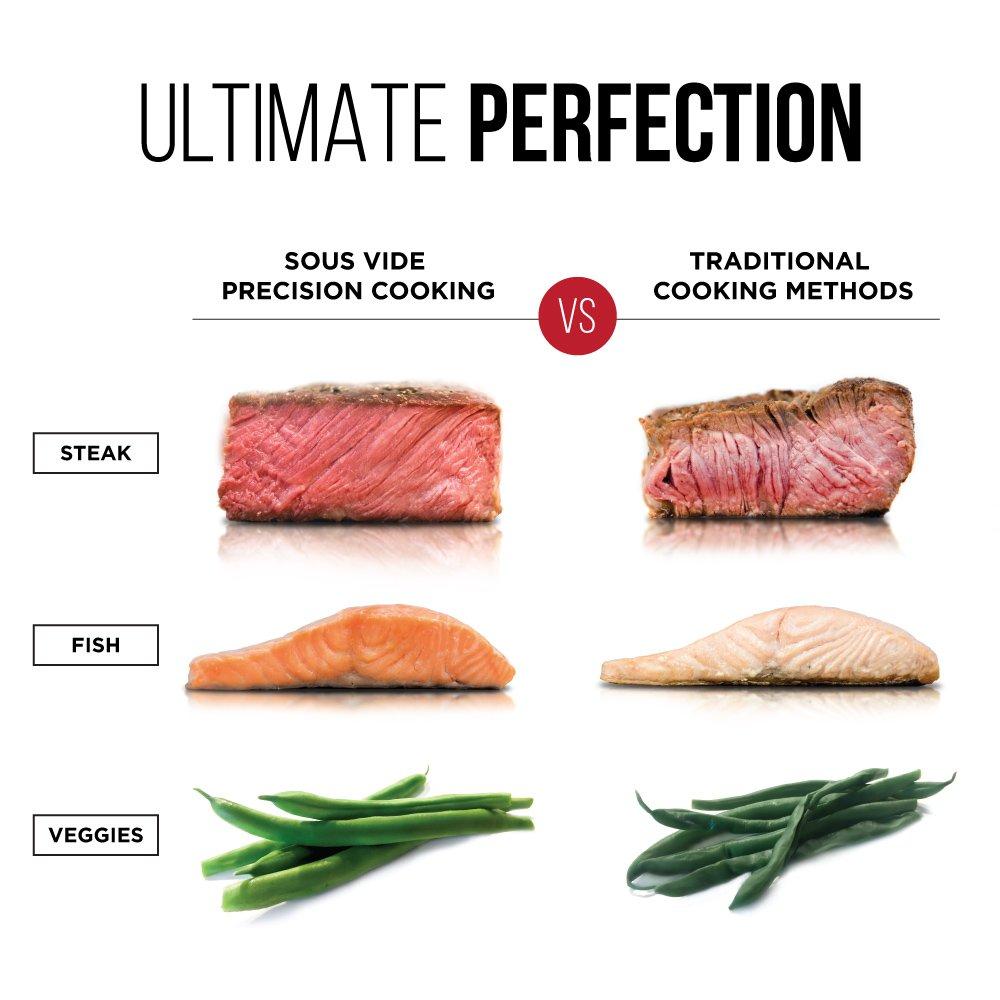
- Results that no other cooking method is capable of reaching. There are no other cooking techniques that exist that provide the exact levels of temperature and time that sous-vide provides.
- Consistency – Most of the time, Sous-Vide cooking will produce similar, if not exact results every single time. One can completely control the temperature and time of the water bath.
- Taste – If completed correctly, the flavor will be amazing. This is a result of food resting and cooking within its juices. This limits the opportunities of it becoming dry, flavorless, and gross.
- Waste Reduction – Other cooking methods can often result in dry food and waste. However, since the food cooks in its juices, one will rarely produce dry food.
- Flexibility – Normal cooking methods require constant and full attention on the food to avoid overcooking, burning, and other common mistakes. Sous-Vide objects will result in exact temperatures regardless of attention and time spent next to the food.
Sous-Vide Disadvantages:
- It is not as simple as other cooking methods. It is not very easy to cook a piece of food evenly throughout. Frequently, it will result in the inside being undercooked, and the outside is overcooked. This will result in flavor loss, overcooked, and dry foods with a horrible chewy texture.
Equipment involved in Sous-Vide:
- Sous Vide precision cooking device
- Packaging for foods (resealable bags, mason jars, etc)
- Pot to hold water
The History of Sous-Vide:
The first time that sous-vide entered the food world, it was not used to improve the quality or taste of the food. It was used as a safety measure. Mainly, keeping packaged foods at an exact temperature allows pasteurizing and sterilizing to be much easier for various facilities. These facilities include labs, hospitals, and large food companies. It was also used to aid in the prepared foods industry. Vacuum packing and cooking foods using the sous-vide method will lengthen the shelf life of these foods. Sous-vide did not reach the cooking industry until 1974. Chef Pierre Troisgros was searching for a unique and more modern method of cooking perfect foie gras. He enlisted the help of Georges Pralus to help him. Their main goal was to prepare the ideal foie gras while losing as little fat and flavor as possible. They attempted a trial and error process until they came across a realization. Pralus realized that poaching at a precise temperature would result in the least amount of fat being lost. Bruno Goussault – a man of many talents, also discovered similar realizations in the hospital and commercial food setting. To put his discoveries to the test, he enlisted Chef Joël Robuchon, and they created a dining program using their new-found technique for the trains in France. The internet brought this cooking technique over into the United States. In the early 2000s, chefs from all over the United States and other countries began buying home sous-vide machines and repeatedly started using them in their kitchen. They very quickly ran into a significant issue though, none of them had any real idea about how to use them. They had only heard about them through the internet, and they neglected to research any instructions. Soon after that, chefs from all over the country began to experiment and started posting the exact times and temperatures they used to cook various meats to perfection. The year of 2005 was quite monumental for this cooking technique, as Joan Roca wrote an entire book based on Sous-Vide that quickly spread and gained popularity around the US. Dave Arnold also began teaching Sous-Vide cooking classes. Also, Amanda Hesser (New York Times) wrote an article about the endless potential for the sous-vide machines. She even claimed that eventually, these would be fully incorporated into our everyday kitchens. In 2006, the sous-vide machine made its TV debut on Iron Chef America. This helped improve demand and want for this product. That being said, the shift from commercial to residential use of the sous-vide has not been straightforward or easy. Sous-vide producers have struggled for years on finding the right balance between low prices and maintaining high-quality and functional products. However, in this day and age, Sous-Vide machines have decreased into a reasonable and affordable price and are now a staple in most kitchens across Canada.
Works Cited
A beginner’s guide to smart sous vide. (n.d.). Retrieved from https://www.engadget.com/2019/12/19/sous-vide-guide/.
ChefSteps. (n.d.). Retrieved from https://www.chefsteps.com/activities/what-is-sous-vide.
Illustrated, C. (2018, December 18). The History of Sous Vide, Explained. Retrieved from https://www.cooksillustrated.com/articles/1142-the-history-of-sous-vide-explained.
What is Sous Vide?: Everything You Need To Know. (n.d.). Retrieved from https://anovaculinary.com/what-is-sous-vide/.
 Hayley's Blog